Skip to content
Toggle main navigation
MIT Alumni Online Community logo
  • Home
  • Alumni Groups
  • All Events
  • About
  • Stand Up for MIT ↗
    Log in

    Alumni News

    All
    Anthropology
    Leadership
    MIT Architecture
    MIT News
    News

    Highlighted News

    Results (1907)

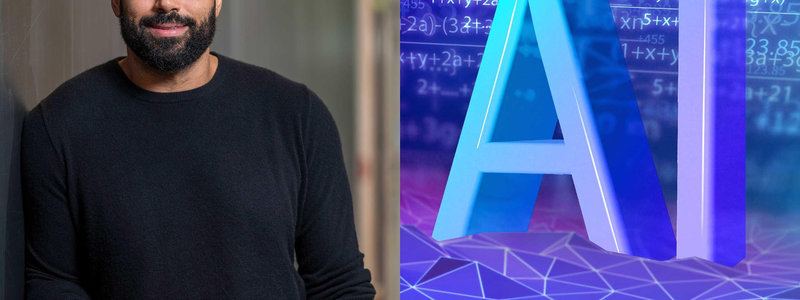
    Q&A: Why building math muscles remains important in the AI era

    Q&A: Why building math muscles remains important in the AI era

    John Urschel PhD ’21, the Class of 1956 Career Development Assistant Professor in the MIT Department of Mathematics, is no stranger to building muscle: Before earning his PhD at MIT, Urschel strengthened his offensive muscles as a lineman for the Baltimore Ravens. He remains committed to helping his students exercise, but now his focus is on critical thinking skills. In the classroom, Urschel shar
    November 17, 2026
    Learning the language of machine learning

    Learning the language of machine learning

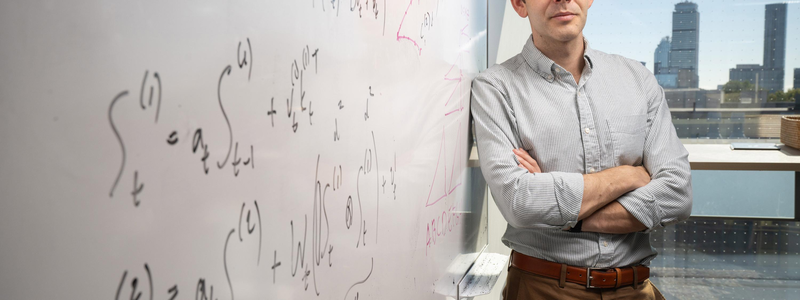
    When deploying deep learning models in high-stakes scenarios, researchers would like to understand how they work. Today, this requires unraveling an enormously complex network of internal processing nodes to understand what the model knows and how it will likely behave in practice.Jacob Andreas would rather have the models explain themselves. The newly tenured associate professor develops techniqu
    November 17, 2026
    MIT School of Engineering faculty and staff receive awards in summer 2026

    MIT School of Engineering faculty and staff receive awards in summer 2026

    Each year, faculty and researchers across the MIT School of Engineering are recognized with prestigious awards for their contributions to research, technology, society, and education. To celebrate these achievements, the school periodically highlights select honors received by members of its departments, institutes, labs, and centers. The following individuals were recognized in summer 2026:Faez A
    November 16, 2026

    Q&A: How ocean carbon sequestration changes under different glacial conditions

    Q&A: How ocean carbon sequestration changes under different glacial conditions

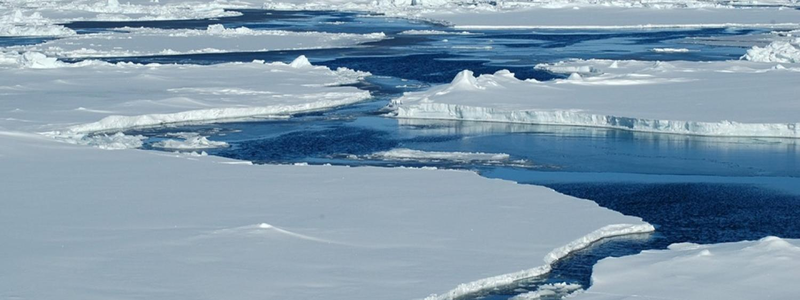
    Over the past 800,000 years, Earth’s history has been marked by dramatic shifts in climate, swinging from warm periods to cold, when large ice sheets covered much of the Northern Hemisphere and sea ice greatly expanded. The transition between the two climates is paced by the Earth’s orbit with respect to the sun, but changes in the amount of carbon dioxide (CO2), a greenhouse gas, also affects glo
    November 16, 2026

    Pipilotti Rist receives the 2027 Eugene McDermott Award in the Arts at MIT

    Pipilotti Rist receives the 2027 Eugene McDermott Award in the Arts at MIT

    Artist Pipilotti Rist is the recipient of the 2027 Eugene McDermott Award in the Arts at MIT, which will be awarded at her MIT public presentation on April 8, 2027, and includes an artist residency at MIT in spring 2027. Rist is a pioneer of spatial video art whose work explores the deep connections between the human body, nature, technology, and sensory perception using immersive video and light
    November 16, 2026
    Arianna Doss named a 2027 Rhodes Scholar

    Arianna Doss named a 2027 Rhodes Scholar

    MIT senior Arianna Doss has been selected as a 2027 Rhodes Scholar and will begin fully funded postgraduate studies at Oxford University in the U.K. next fall. Doss, who is from Houston, is double-majoring in biological engineering and political science. At Oxford, she plans to pursue a master’s degree in comparative social policy, followed by a master’s in global health science and epidemiology.S
    November 15, 2026
    Waves that clear waste from the brain during sleep are impaired in older adults

    Waves that clear waste from the brain during sleep are impaired in older adults

    As people age, they may sleep for shorter periods and wake up more frequently during the night. In addition to those disruptions, MIT researchers have now discovered that a process responsible for flushing waste from the brain during sleep is commonly impaired in older people.The researchers found that waves of cerebrospinal fluid (CSF), which help remove debris from the brain, are significantly r
    November 13, 2026
    Helping robots fit into the human workplace

    Helping robots fit into the human workplace

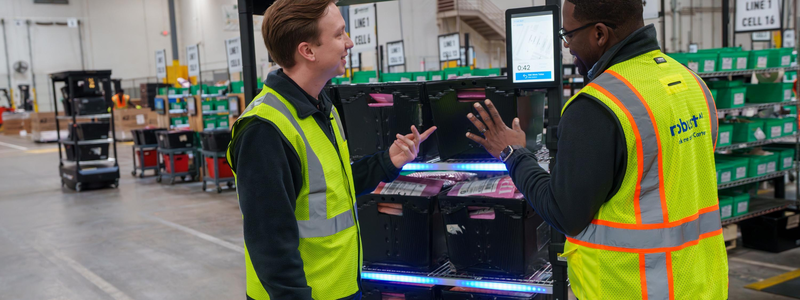
    Despite fears about robots replacing humans at work, there are still plenty of things humans can do far better than machines. That’s fine with Robust AI, a startup building robots designed to complement what humans do best.The company’s mobile robot, named Carter, resembles a utility cart on wheels and is designed to fit seamlessly alongside humans in fast-changing warehouse and factory environmen
    November 13, 2026
    New AI “copilot” helps engineers design better structures

    New AI “copilot” helps engineers design better structures

    The use of algorithms to design structures has led to new parts optimized for ultralight aircraft, high-bandwidth antennas, and F1 racing cars.But the best algorithmic design techniques still require lots of computation and time: Users only see the final design after it’s complete, after which they often must start the design process all over again to make changes. That process also makes it harde
    November 13, 2026
    Addressing nuclear challenges, from radiation detection to power in space

    Addressing nuclear challenges, from radiation detection to power in space

    As humans expand their ambitions in deep space, energy-intensive missions can’t afford to rely solely on combustion or solar power. They will need nuclear energy for propulsion and surface habitation.Jake Hecla ’17, who holds a dual appointment as assistant professor in the Department of Nuclear Science and Engineering (NSE) and Charles Stark Draper Career Development Professor of Aeronautics and
    November 12, 2026
    Q&A: From seed funding to scientific breakthroughs

    Q&A: From seed funding to scientific breakthroughs

    The MIT Global Seed Funds (GSF) are designed to do more than launch research projects — they build international collaborations that make ambitious science possible. By supporting early-stage collaborations with researchers around the world, the program helps faculty test new ideas, exchange expertise, and lay the groundwork for discoveries that often grow far beyond the initial award. Matt Should
    November 12, 2026
    Energy, prosperity, emissions, and innovation: A decarbonization progress report

    Energy, prosperity, emissions, and innovation: A decarbonization progress report

    While rising global prosperity increases energy demand and resulting greenhouse gas emissions, promising low-carbon technologies offer reason for optimism. Eric Toone, Breakthrough Energy’s chief technical officer, gave this assessment in his keynote address at the recent Energizing@MIT, the annual research conference of the MIT Energy Initiative (MITEI).“Energy is how we make things … build and h
    November 12, 2026
    Three Lincoln Laboratory technologies receive 2026 R&D 100 Awards

    Three Lincoln Laboratory technologies receive 2026 R&D 100 Awards

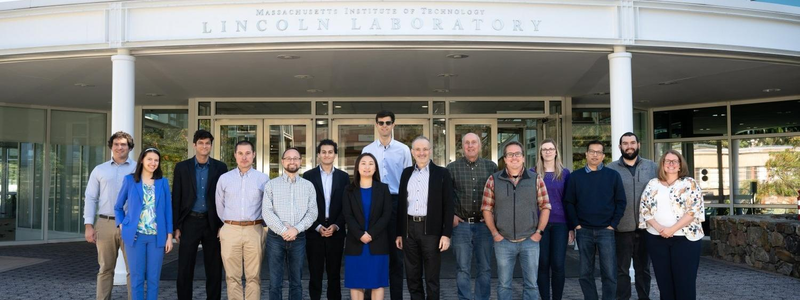
    Three technologies developed by MIT Lincoln Laboratory are among recipients of 2026 R&D 100 Awards. The awards recognize the 100 most significant innovations that have transitioned to use or been made available for license in the past year.R&D World, an online publication, manages the awards program, which has run annually since 1963. The worldwide competition is judged by an independent panel of
    November 12, 2026
    Fabric molds could bring material-saving concrete beams within reach

    Fabric molds could bring material-saving concrete beams within reach

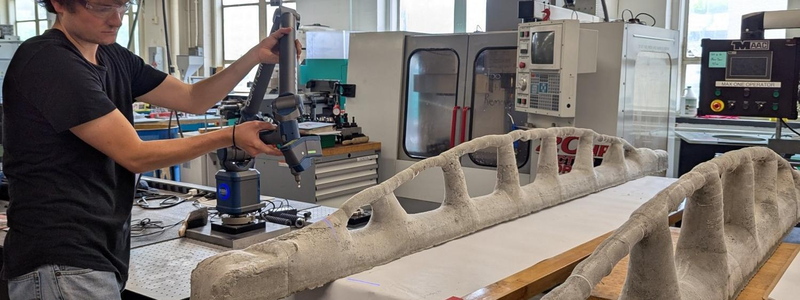
    Topology optimization is a computer design method that can help engineers design beams using reduced amounts of concrete and steel. But those intricate shapes produced from the tool are often too complex or expensive to pour into conventional rigid molds. The few that have been built have mostly relied on specialized equipment, such as concrete 3D printers or machine-carved molds, equipment that i
    November 6, 2026
    How to predict the behavior of molecules from scant data

    How to predict the behavior of molecules from scant data

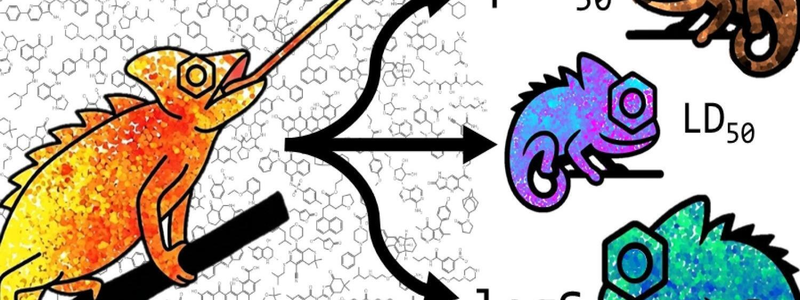
    Discovering new molecules for specific uses is a major driver of progress in a wide variety of industries, whether it’s pharmaceutical companies looking for new drugs, or electronics or energy companies seeking new materials with particular properties. But it’s also largely a trial-and-error process, because there is not yet any way to perfectly predict how a given chemical compound will behave in
    November 6, 2026
    MIT affiliates elected 2026 American Geophysical Union Fellows

    MIT affiliates elected 2026 American Geophysical Union Fellows

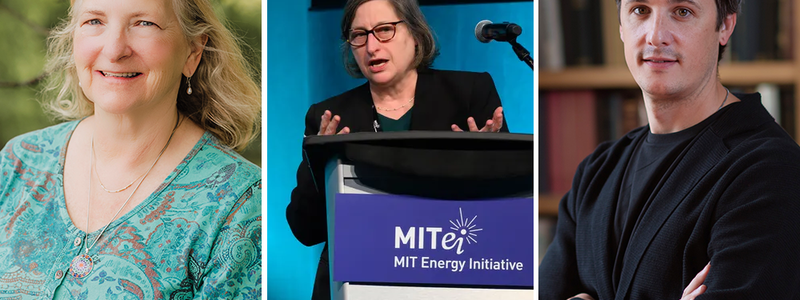
    Three MIT affiliates — Anthea Coster of MIT Haystack Observatory, Carolyn Ruppel ’86, SM ’86, PhD ’92 of the MIT Energy Initiative, and César Terrer of the Department of Civil and Environmental Engineering — have been elected as fellows of the American Geophysical Union (AGU) for 2026. The AGU also honored eight additional MIT alumni as new fellows: Claudia Benitez-Nelson PhD ’99; Robert Howarth P
    November 6, 2026
    Scene at MIT: Beautiful, intricate, creative quilts

    Scene at MIT: Beautiful, intricate, creative quilts

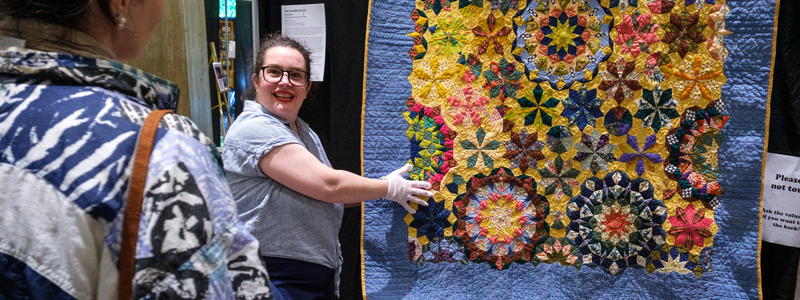
    The MIT Quilt Show, put on as a collaboration between the Crafters’ Circle, MIT Makerspaces, and the MIT Women’s League, and funded by the Council for the Arts at MIT, ran for three days in Lobby 13 Oct. 5-7 and drew 950 visitors.“We got wonderful feedback throughout the show, and it was tremendously gratifying to see the MIT community turn out en masse to support this art form,” says Jane Halpern
    November 6, 2026
    Studying bacteria and the cells they infect

    Studying bacteria and the cells they infect

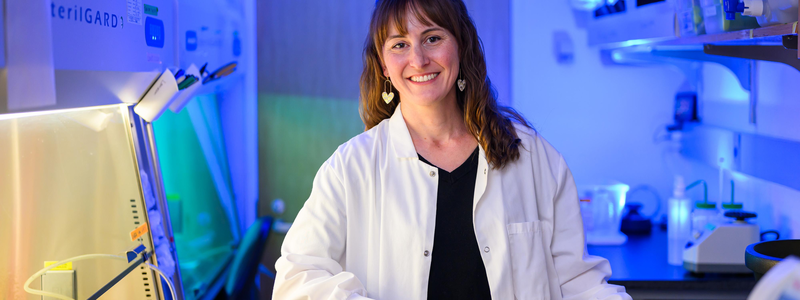
    Most biologists who study pathogenic microbes have focused on strains such as Escherichia coli or Staphylococcus aureus, which are not only important for human health, but also relatively easy to grow in the lab. Rebecca Lamason, an MIT associate professor of biology, wants to take a more expansive approach that includes bacteria that are more challenging to study. Tackling those microbes, she say
    November 6, 2026
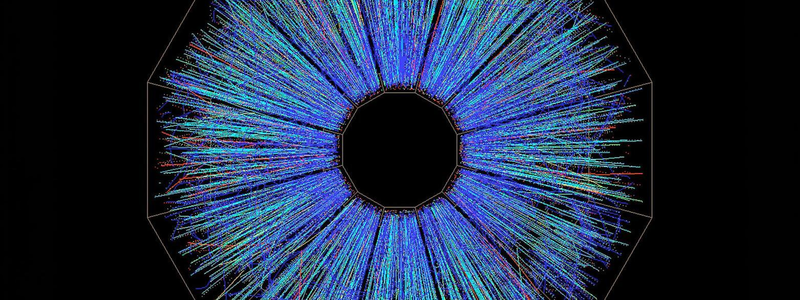
    Pinning down the structure of quark-gluon plasma, the universe’s first fluid

    Pinning down the structure of quark-gluon plasma, the universe’s first fluid

    In the first fraction of a second following the Big Bang, matter existed as a trillion-degree plasma of quarks and gluons — subatomic particles that zinged around at close to the speed of light. This roiling soup lasted for just a few microseconds, before the particles coalesced into more stable protons and neutrons. To study this primordial fluid, scientists recreate quark-gluon plasma in large p
    November 5, 2026
    Clearing up a robot’s fuzzy memory

    Clearing up a robot’s fuzzy memory

    In an emergency, a human might someday ask a robotic assistant to fetch a wall-mounted defibrillator located down the hall. But if the robot has incorrectly labeled the defibrillator as a fire extinguisher in its stored memory, it may not know where to find the life-saving device.This robotic assistant could benefit from a new memory system created by MIT researchers. The system identifies entries
    November 5, 2026
    Contact
    MIT Alumni Association
    600 Memorial Drive, W98

    Cambridge

    MA

    USA

    alumcommunity@mit.edu
    617-253-8200
    Links
    • MIT Alumni Association
    • Infinite Connection
    • Alumni Online Directory
    • Accessibility
    • Terms of Use
    • Privacy Policy
    • Online Community FAQs
    • Make a Gift
    • Benefits & Offerings
    Community engagement platform by Hivebrite.